Letters and sounds
Use the sound page from class so your child can hear it, say it, and try it again in a game.
Use the kindergarten worksheet, sight word list, CVC words, letter sounds, or short sentence page your child brought home and make one small reading game for tonight.
When the reading page feels too long, do not start with a big lesson. Start with one page your child already knows, one short game, and one finish line they can reach.
Use the kindergarten worksheet, phonics page, sight word list, or short sentence page from class.
Do not switch to random games. Practice the exact words, sounds, and lines your child needs this week.
Make the page feel smaller, lighter, and easier for an early reader to try.
One calm win tonight is better than a long session that turns reading into a fight.
Start with the skills your child is actually meeting in kindergarten: letter sounds, CVC words, sight words, short sentences, and the reading page that came home from school.
Use the sound page from class so your child can hear it, say it, and try it again in a game.
Practice short vowel words like cat, map, sun, and hop without turning the page into a drill.
Repeat words like I, can, we, see, go, and the when they appear in today's reading page.
Make first lines like "I can go" and "We see it" feel less scary and easier to finish.
Keep practice connected to the exact kindergarten reading page your child is expected to read.
Use what already came home instead of searching for another printable or another random game site.
These figures are based on activity recorded in WordyKid and update automatically. No personal information is shown.
At this age, attention is short and reading confidence is still new. A full page can feel too big, even when the child already knows some of the sounds or words.
One short finished round can matter more than a long session. The goal is to make reading practice feel possible, not overwhelming.
That is why WordyKid starts with the real school page and turns it into something your child can try tonight and come back to tomorrow.
They can be colorful and fun, but they may not match the exact page, worksheet, sound, word list, or sentence your child needs this week.
It starts with the real material: the school reading page, the worksheet, the sight word list, the phonics page, the CVC words, or the short sentence practice.
Start with the page, worksheet, sight words, or phonics practice already in front of you.
Keep the exact kindergarten material instead of switching to something random.
Practice the same sounds, words, and short sentences in a format that feels lighter.
Saved progress makes it easier to keep building one small reading win at a time.
This is for evenings when the school reading page feels too long, the worksheet from class is not going well, and you do not want another homework fight.
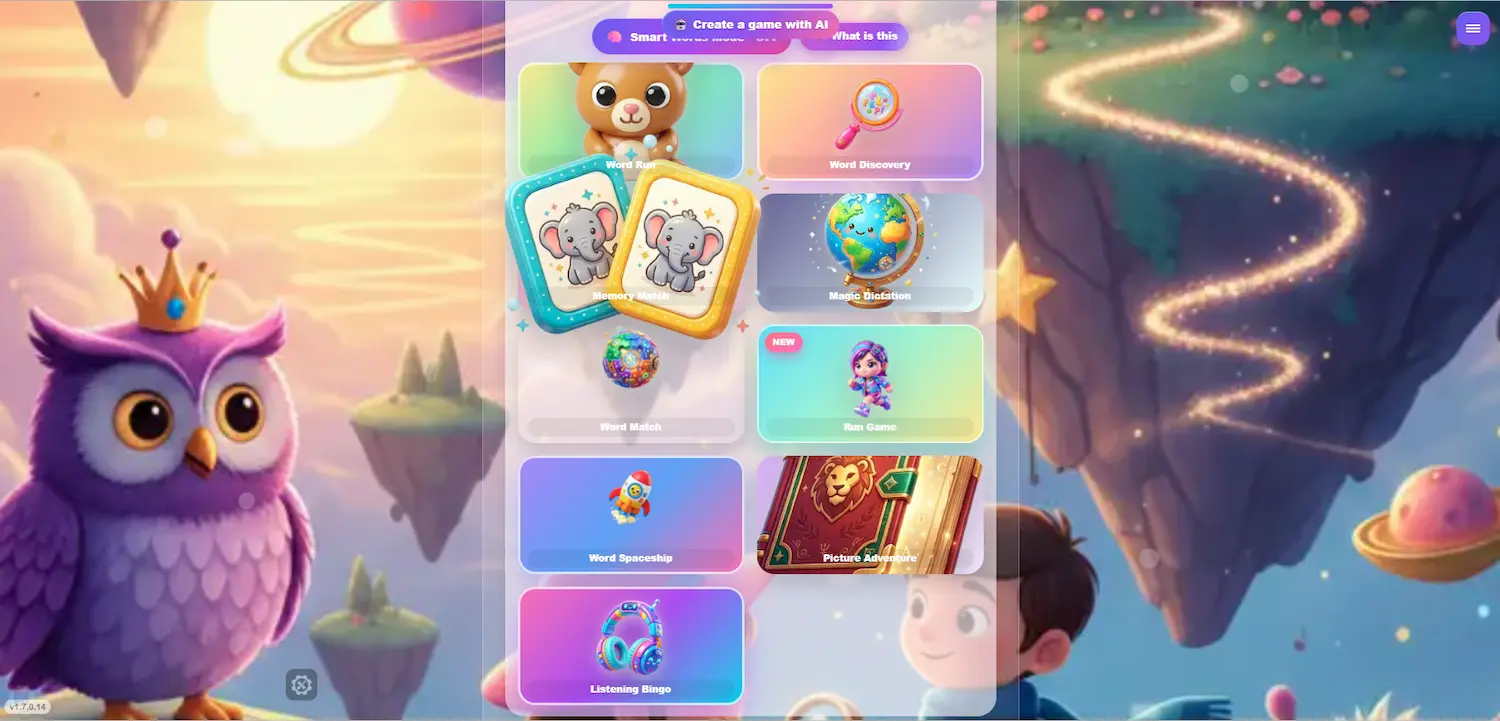
WordyKid helps you take the exact page your child already has and turn it into a short, safe, age-appropriate reading game.
Families use this kind of practice for letter recognition, letter sounds, rhyming, CVC words, sight words, short sentences, reading fluency, and first reading confidence.
WordyKid does not promise magic results. It gives parents a more usable way to repeat the right kindergarten material with less friction and more clarity.
If your child has a page from school and you want one small reading win tonight, this is where the product fits.
Try one kindergarten reading page with open games and basic progress tracking.
Turn school reading pages, worksheets, sight words, phonics practice, and short sentences into personalized games with deeper parent stats and full history.
Start with the material your child already has, then keep practice short and easy to revisit.
Use your child's real school words, worksheets, and reading pages.
Upload a photo, paste text, or add homework words to create playable practice.
Practice the same material across multiple short game modes.
Open WordyKid on a phone, tablet, or computer and revisit your practice history over time.
Yes. WordyKid can support kindergarten children and other early readers who are still working on first reading confidence, letter sounds, CVC words, sight words, and short sentences.
Yes. WordyKid is made for the real worksheet, reading page, sight word list, or phonics page your child brought home from school.
Yes. If your child is working on CVC words like cat, map, or sun this week, you can use that exact page or list for one short reading game.
Yes. You can practice kindergarten sight words through the same short game format, especially when those words come from the real page or list your child already has.
Yes. Letter sounds and early phonics practice fit well because WordyKid can start with the sound page, worksheet, or classroom list your child already knows.
No. Most sites start with a fixed library of games. WordyKid starts with your child's real school material and turns that exact page into a short game.
Short sessions usually work best for kindergarten. The goal is one small reading win tonight, not a long session that feels overwhelming.
Yes. No ads, no external links, and no chat with strangers. It is designed to feel calm, safe, and parent-friendly.
Yes. It runs fully in the browser on phones, tablets, and computers.
Yes. Sessions are saved, and parents can follow progress over time instead of trying to remember which pages or words were already easier.